
Raid mechanics in World of Warcraft are complex systems that challenge your teamwork and skill. You’ll need to understand your role as a tank, healer, or DPS, and work together to overcome multi-phase encounters. Positioning, movement, and managing debuffs are vital for survival. Optimize your gear and character build to maximize performance. Effective communication and coordination with your team are essential for success. Use addons to track important information during fights. Prepare thoroughly before raids by studying strategies and bringing necessary consumables. Mastering these elements will set you on the path to becoming a raid expert.
Key Takeaways
- Raid mechanics involve coordinating tanks, healers, and DPS players to overcome complex, multi-phase encounters with specific strategies.
- Understanding positioning, movement, and environmental hazards is crucial for team survival and successful raid completion.
- Effective management of debuffs, status effects, and cooldowns is essential for maintaining group efficiency during encounters.
- Proper gear selection, character optimization, and utilization of addons significantly enhance raid performance and coordination.
- Clear communication, role assignments, and adaptability to changing situations are fundamental for overcoming raid challenges.
The Anatomy of a Raid
At the heart of World of Warcraft’s endgame content, raids stand as complex, multi-faceted challenges. Understanding the anatomy of a raid is essential for success. Raid composition forms the foundation, typically consisting of tanks, healers, and DPS players. Each role is critical in tackling the encounter design, which often includes multiple phases and challenging boss abilities.
Raid types vary, from smaller 10-player groups to larger 25-player raids, with difficulty scaling options to suit different skill levels. Encounter phases often progress from easier mechanics to more complex ones, testing your team’s synergy and adaptability. You’ll face DPS checks, healing requirements, and threat management challenges throughout the raid.
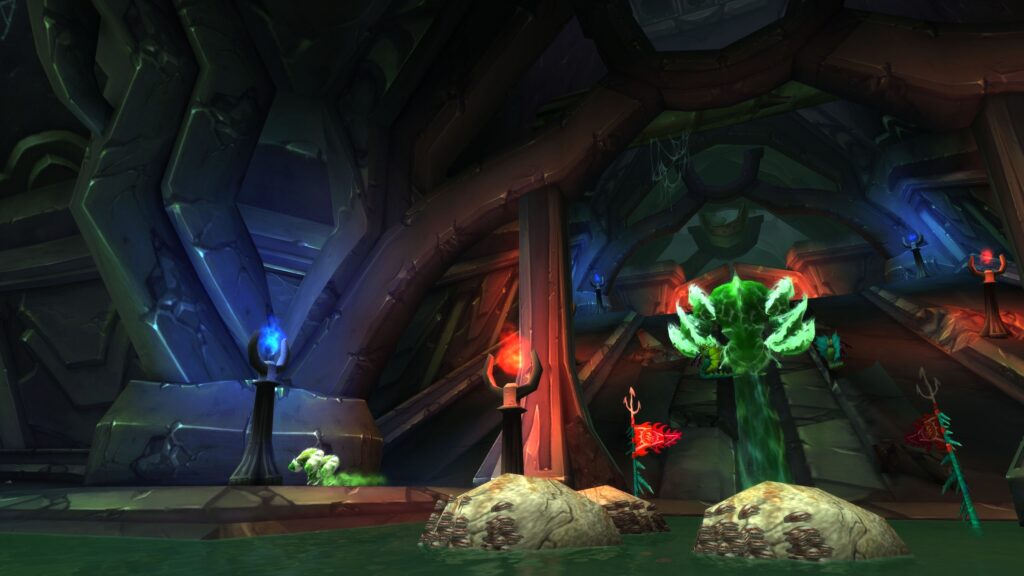
A typical raid encounter includes a mechanics overview, detailing specific abilities and strategies. You’ll need to coordinate interrupts, manage positioning, and handle various environmental hazards. Loot distribution systems, such as Personal Loot or Master Looter, determine how rewards are allocated after defeating bosses.
To excel in raids, you must master your class, understand encounter mechanics, and work seamlessly with your team. Practice, communication, and adaptability are key to overcoming these epic challenges and claiming your hard-earned rewards.
Evolution of Raid Mechanics
Raid mechanics in World of Warcraft have undergone a significant evolution since the game’s inception. You’ll notice a clear evolution timeline, from simple tank-and-spank encounters to complex, multi-phase battles. Mechanic diversity has increased exponentially, with each expansion introducing new challenges and encounter designs.
Difficulty scaling has become more sophisticated, allowing for various raid sizes and offering multiple difficulty levels. This evolution has demanded constant strategy refinement and improved player adaptability. Class synergy has become increasingly important, with raids requiring a mix of abilities to overcome boss mechanics.

| Expansion | Key Mechanic Innovations |
|---|---|
| Vanilla | Basic positioning, aggro management |
| TBC | Multi-phase encounters, attunements |
| WotLK | Vehicle combat, hard modes |
| Cataclysm | Heroic difficulties, raid finder |
The impact of expansions on raid design can’t be overstated. Each new release brings fresh ideas, often influenced by community feedback. Blizzard’s extensive testing phases guarantee that new mechanics are balanced and engaging.
You’ll find that modern raids require a deeper understanding of your class, encounter mechanics, and teamwork. The evolution of raid mechanics has transformed WoW raiding into a complex, strategic experience that continues to challenge and excite players.
Key Roles in Raid Encounters
Every successful raid team relies on several key roles working in harmony. As a raider, you’ll need to understand these roles and how they interact. Tanks are essential for threat generation and absorbing damage, often employing specific tank dynamics tailored to each encounter. Healers must master healer synergy, coordinating their efforts to keep the team alive while managing their resources efficiently.
DPS players focus on maximizing damage output while adhering to fight mechanics. They’re often responsible for buff management, ensuring the raid has best possible performance boosts. Cooldown timing is fundamental for all roles, as coordinated use of powerful abilities can turn the tide of battle.
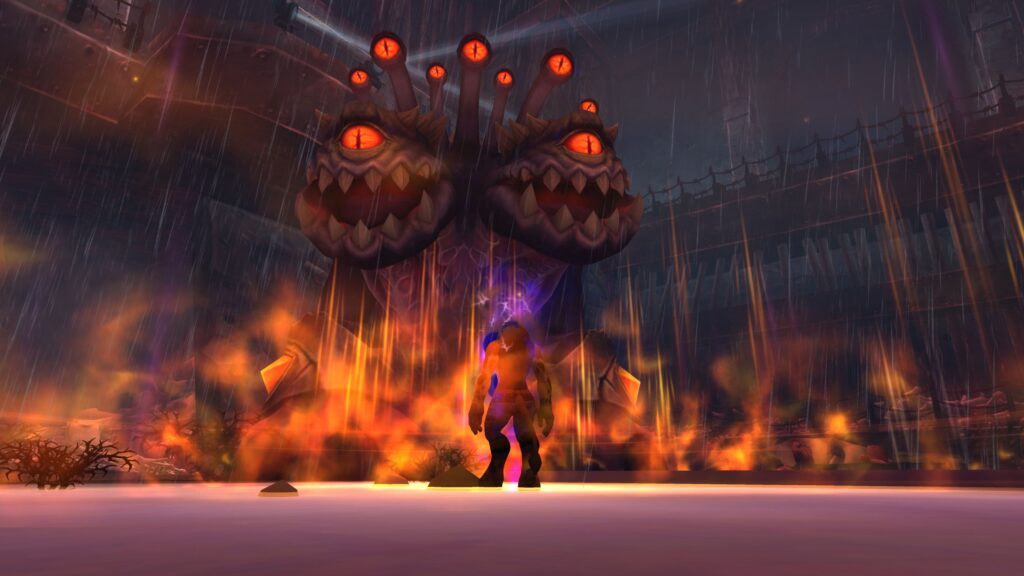
Mobility tactics play a significant role in many encounters, requiring players to reposition quickly while maintaining their duties. Crowd control and utility abilities are critical for managing adds and providing support to the team. Role adaptability is increasingly important, as many modern encounters require players to switch between different responsibilities on the fly.
Understanding these key roles and their interactions will help you become a more effective raider, regardless of your specific position within the team.
Positioning and Movement Strategies
You’ll encounter two primary positioning strategies in raids: stacking and spreading. Stacking involves grouping tightly together, often for healing or defensive purposes, while spreading out helps avoid overlapping damage from area effects. You must also stay vigilant for environmental hazards like fire, void zones, or falling debris, which require quick movement to avoid lethal damage.
Stacking Versus Spreading
Positioning is a essential aspect of raid mechanics in World of Warcraft, with two primary strategies: stacking and spreading. Stacking involves grouping players tightly together, while spreading requires maintaining distance between raid members. Each approach offers distinct advantages and challenges.
When stacking, you’ll benefit from overlapping buffs, simplified healing priorities, and concentrated AoE effects. It’s ideal for encounters with radial damage types or when you need to focus defensive strategies. Stacking also facilitates easier cooldown management and streamlined threat generation for tanks. However, it can make your raid vulnerable to certain AoE attacks and limit positional advantages.
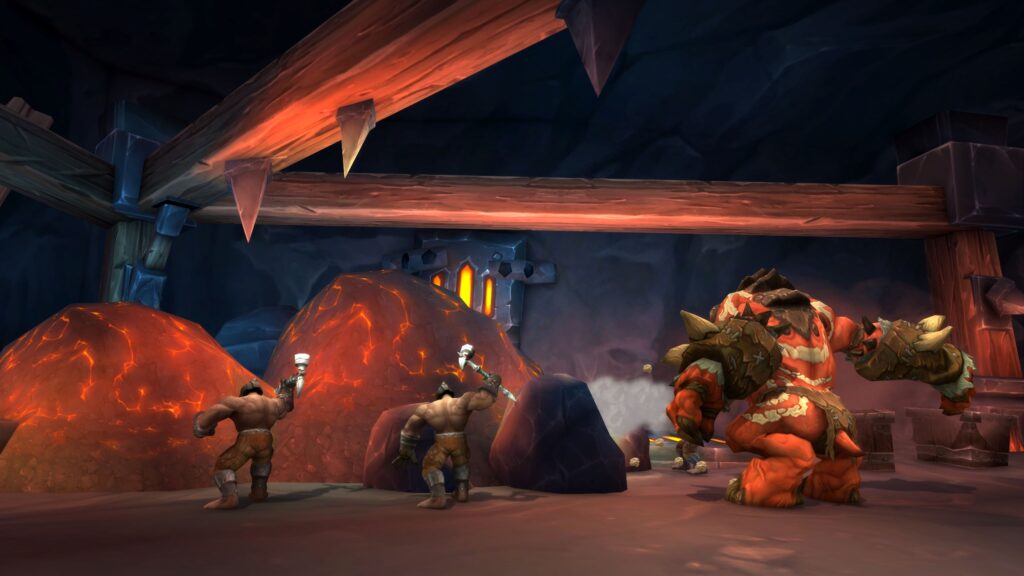
Spreading, on the other hand, helps mitigate widespread damage and provides flexibility for individual burst windows. It’s essential for encounters with targeted mechanics or when crowd control is necessary. Spreading allows for better positioning to avoid hazards and can reduce overall raid damage. The downside is that it complicates healing and buff management.
Your choice between stacking and spreading should depend on the specific encounter mechanics, your raid composition, and your team’s strengths. Adapting your strategy mid-fight may be necessary as phases change or new threats emerge.
Avoiding Environmental Hazards
Beyond stacking and spreading, environmental hazards pose a significant challenge in World of Warcraft raids. You’ll need to develop keen spatial awareness and hazard detection skills to survive. Constantly scan your surroundings for potential threats, evaluating their danger level and impact on your positioning.
Environmental adaptation is essential. Learn to navigate various terrain types, from slippery ice to unstable platforms. You’ll often face area denial mechanics, forcing you to move strategically. Develop efficient movement patterns to quickly reposition while maintaining your role’s effectiveness.
Situational awareness is key. Watch for visual cues indicating incoming hazards, such as ground markers or boss animations. React swiftly to avoid damage, but don’t overreact and compromise your team’s strategy. Practice damage mitigation techniques when complete hazard avoidance isn’t possible.
Some raids feature dynamic environments with shifting dangers. Stay alert and adapt your positioning as needed. Communicate with your team about hazard locations and safe zones. Remember, environmental hazards can often be used to your advantage, separating enemies or creating temporary cover. Master these skills, and you’ll greatly improve your raid survivability and overall performance.
Debuffs and Status Effects
While mastering your class rotation is essential, understanding debuffs and status effects is equally important in raid encounters. Debuffs can greatly impact your performance and survival, so you’ll need to familiarize yourself with various debuff types and their status durations. Some debuffs require immediate attention through dispel mechanics, while others may need mitigation strategies to minimize their effects.
Enemy abilities often apply multiple debuffs simultaneously, and effect stacking can quickly overwhelm unprepared players. You’ll need to prioritize which debuffs to remove based on their severity and your group’s composition. Proper cooldown management is vital for classes with dispel or cleansing abilities, as you’ll want to maximize your raid utility without depleting your resources.
Certain debuffs, like curses, may require specific classes for curse removal. This emphasizes the importance of player synergy and communication within your raid team. Always be aware of your surroundings and watch for visual cues indicating incoming status effects. By staying vigilant and understanding the nuances of debuffs and status effects, you’ll greatly improve your raid performance and contribute to your team’s success.
Gear and Character Optimization
Maximizing your character’s potential through gear and enhancement is essential for raid success in World of Warcraft. Start by focusing on gear selection, ensuring you’re equipped with items that align with your class’s stat priorities. Research ideal character builds for your specialization, considering talents and abilities that complement your raid role.
Implement effective enhancement strategies by understanding class synergies within your raid group. This knowledge will help you make informed decisions about your gear and playstyle. Pay special attention to legendary items, as they can greatly impact your performance. Choose trinkets that provide the most benefit to your specific role and encounter requirements.
Don’t overlook enchant recommendations and gem placements, as these small enhancements can add up to substantial improvements. Regularly update your gear and enhancements as you progress through raid tiers. Utilize online resources and simulations to fine-tune your character’s performance.
Communication and Coordination Techniques
Effective communication and coordination are essential for raid success in World of Warcraft. You’ll need to master voice chat etiquette, implement smart role assignment strategies, and utilize addon coordination tools to enhance your team’s performance. These techniques will help you overcome complex boss mechanics and achieve your raiding goals more efficiently.
Voice Chat Best Practices
Clear communication is the backbone of successful raiding in World of Warcraft. To enhance your voice chat experience, focus on voice clarity by using a good quality microphone and adjusting your settings for ideal sound. Implement proper muting etiquette to minimize background noise when you’re not speaking. Establish feedback loops to confirm important information has been received and understood.
Utilize separate voice channels for different roles or groups within the raid to streamline communication. Practice tone modulation to convey urgency or calmness as needed during encounters. Effective distraction management involves keeping chatter to a minimum during intense fight phases. Determine appropriate communication frequencies for your raid team, balancing necessary information sharing with avoiding information overload.
Emphasize the importance of callouts for critical raid mechanics, enemy spawns, or player status updates. Train your team to use concise, standardized terminology for these callouts to guarantee quick comprehension. By implementing these voice chat best practices, you’ll enhance your raid team’s coordination, reaction times, and overall performance in World of Warcraft’s challenging endgame content.
Role Assignment Strategies
Building on effective communication practices, proper role assignment is a cornerstone of raid success in World of Warcraft. When assigning roles, consider your team’s strengths and the encounter’s demands. Start with tank rotation, ensuring your main and off-tanks understand their specific duties and taunt swaps. Next, focus on healer assignments, distributing responsibilities based on each healer’s specialization and the raid’s composition.
For DPS, plan your damage distribution carefully. Assign players to priority targets, cleave, or area-of-effect damage as needed. Don’t forget about crowd control; designate specific players to handle adds or interrupt key abilities. Buff management is essential, so coordinate which classes will provide which buffs to maximize raid-wide benefits.
Emphasize role flexibility, especially for hybrid classes. They should be prepared to switch between healing, DPS, or off-tanking as situations demand. Utility coordination is important; assign dispels, interrupts, and cooldowns strategically. Finally, foster situational awareness in all raid members. They should understand not just their primary role, but also how to adapt when things don’t go according to plan. By mastering these role assignment strategies, you’ll greatly improve your raid’s chances of success.
Addon Coordination Tools
Raiding teams often rely on addon coordination tools to streamline communication and enhance overall performance. These tools facilitate addon synergy, allowing you to customize your interface for ideal raid awareness. Popular addons like BigWigs or Deadly Boss Mods provide encounter timers and visual alerts, helping you anticipate vital mechanics.
For tracking cooldowns and utility coordination, addons like OmniCD or Exorsus Raid Tools are invaluable. They display your team’s available defensive and offensive abilities, enabling better resource management and decision-making. Performance metrics addons, such as Details! or Skada, offer real-time damage and healing data, allowing you to adjust your strategy on the fly.
Raid frames addons like Grid2 or VuhDo enhance your ability to monitor and respond to your team’s health and status. They’re particularly useful for healers, providing customizable displays and click-casting functionality. When selecting addons, consider addon compatibility to guarantee smooth integration and minimal conflicts.
Remember to communicate with your team about which addons you’re using. Coordinating addon choices can considerably improve your raid’s efficiency and success rate. Regularly update your addons and fine-tune your interface customization to stay competitive in World of Warcraft’s ever-evolving raid environment.
Preparing for Raid Success
Success in World of Warcraft raids doesn’t come by chance. It’s the result of meticulous preparation and coordination. To prepare effectively, you’ll need to focus on several key areas. First, study boss encounter strategies well in advance. Create a raid preparation timeline that allows ample time for consumable management and gear optimization. Develop strong teamwork dynamics through regular communication and practice runs.
Cooldown synchronization is essential for maximizing your raid’s effectiveness. Work with your team to create a pre-raid checklist that covers all important items, buffs, and responsibilities. Don’t neglect encounter research tips; watch video guides, read strategy posts, and discuss tactics with your raid group. Mental readiness techniques, such as visualization and stress management, can greatly impact your performance.
Remember to stay flexible and adaptable. Raid mechanics often require quick thinking and on-the-fly adjustments. Practice situational awareness and be prepared to swap roles if needed. By focusing on these key aspects of raid preparation, you’ll greatly increase your chances of success and create a more enjoyable experience for your entire raid team.
Frequently Asked Questions
How Long Does a Typical Raid Take to Complete?
The duration of a typical raid can vary greatly, but you’re looking at anywhere from 2 to 4 hours on average. Raid duration factors include group composition, player skill, and familiarity with the encounters. To shorten your raid time, focus on efficient raid strategies like clear communication, proper positioning, and quick decision-making. Remember, some raids are designed to be completed over multiple sessions, so don’t be discouraged if you can’t clear everything in one go. Practice and coordination are key to faster completions.
What’s the Minimum Level Required to Participate in Raids?
Ever wondered about raid entry requirements? You’ll need to be at least level 60 to participate in most raids, but some require higher levels. Raid group composition is vital, so you’ll want to be max level for best performance. You’ll also need appropriate gear and experience with your class. Don’t forget to complete any necessary attunement quests. Remember, raid difficulty varies, so you might start with easier raids before tackling more challenging ones. Always check specific raid requirements before joining.
Can I Join Raids With Random Players or Only With Guilds?
You can join raids with both random players and guilds. For a more casual experience, use the Raid Finder tool to team up with random players. It’ll match you with others and balance group composition automatically. For organized raids, you can join a guild or form your own group. Guild raids often offer better coordination and progression, but pugging (joining random groups) can be a great way to experience raid content if you’re not committed to a guild.
Are There Penalties for Dying During a Raid Encounter?
You’d think dying in a raid would be a breeze, right? Wrong. Death penalties can be frustrating, affecting team dynamics and overall performance. You’ll face repair costs for damaged gear and potentially miss out on loot. Resurrection mechanics allow players to revive you, but it’s not instant. You might have to run back to the encounter, wasting valuable time. The more deaths, the higher the frustration levels for everyone involved. So, staying alive isn’t just good for you; it’s essential for your raid’s success.
How Often Do New Raids Get Released in World of Warcraft?
You’ll find that new raids in World of Warcraft aren’t released on a strict schedule. Typically, you can expect 3-4 raid tiers per expansion, with each tier launching roughly every 4-6 months. However, this raid release frequency can vary. New expansions greatly impact the raid schedule, often introducing the first raid shortly after launch. Blizzard aims to keep content fresh, but they’ll adjust timing based on player progression and feedback. Keep an eye on official announcements for the most up-to-date information.
Conclusion
You’ve now got the 411 on WoW raid mechanics. Remember, success hinges on your ability to adapt, communicate, and execute strategies flawlessly. Keep honing your skills, optimizing your gear, and working as a team. Whether you’re tanking, healing, or DPSing, your role is essential. Stay alert, watch for debuffs, and position yourself wisely. With practice and persistence, you’ll be downing bosses and scoring epic loot in no time. Now go forth and conquer those raids!