
Introduction
World of Warcraft (WoW) has been a staple in the MMORPG genre since its release in 2004, and one of the most notable aspects of the game is its evolution, particularly in terms of graphics. From its initial launch with basic character models and environments to the stunning visuals seen in the latest expansion, Shadowlands, WoW has come a long way. The game’s graphics have always been a balance between technical limitations and artistic design, allowing for an immersive experience while ensuring performance across a wide range of systems. In this article, we’ll take an in-depth look at how WoW’s graphics have evolved over the years and what makes its art style unique and enduring.
The Early Years: Vanilla to Burning Crusade
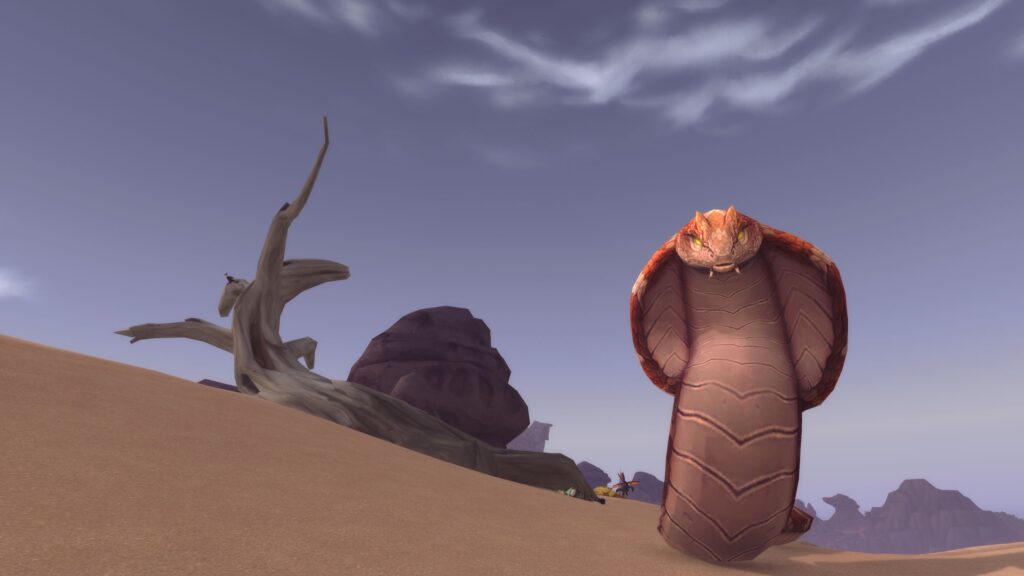
When World of Warcraft first launched in 2004, its graphics were groundbreaking for the MMORPG genre, though by today’s standards, they were relatively simple. WoW’s art direction leaned into a more stylized approach, with exaggerated proportions and bright colors that distinguished it from other more realistic games of the time. The environments in Vanilla WoW were vast and detailed for the era, but the character models were blocky, and the textures lacked the level of sharpness that players see today. Despite this, the game’s art style was highly regarded for its charm, and its open world—complete with a wide variety of zones—was incredibly immersive.
The Burning Crusade Expansion: Improved Visuals
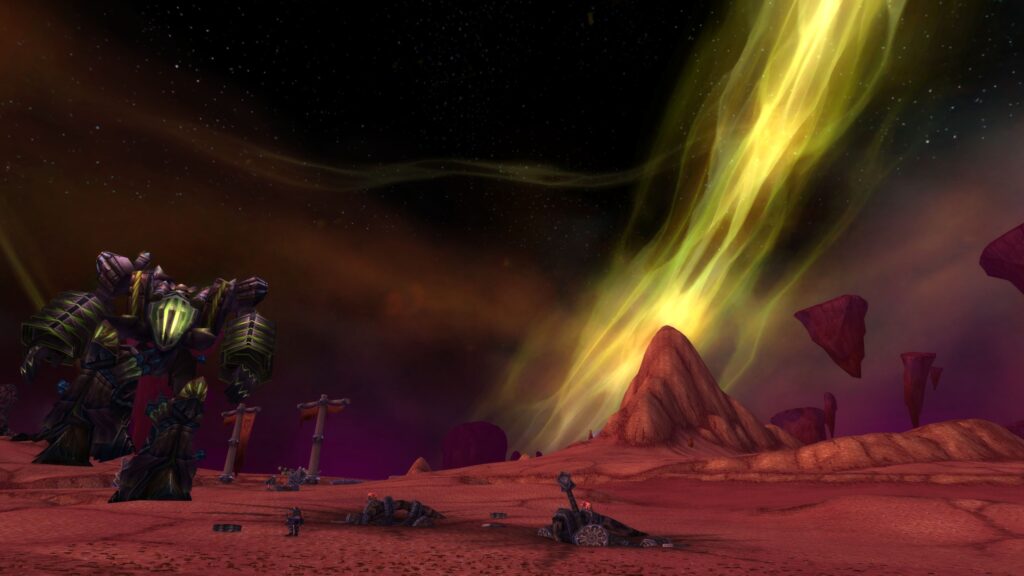
The first expansion, *The Burning Crusade* (2007), introduced new areas like the shattered world of Outland. The environments in Outland were more detailed compared to Vanilla WoW, with enhanced textures, improved lighting effects, and more complex environments. However, while the expansion brought visual improvements, the core models and textures from Vanilla were still present. The addition of flying mounts was a significant change, and this allowed players to experience the world from a new perspective, further emphasizing the beauty of the game’s environments. At this point, Blizzard began experimenting with more detailed design elements, even if the game still had a somewhat dated look by modern standards.
Wrath of the Lich King to Mists of Pandaria: Modernizing the Art
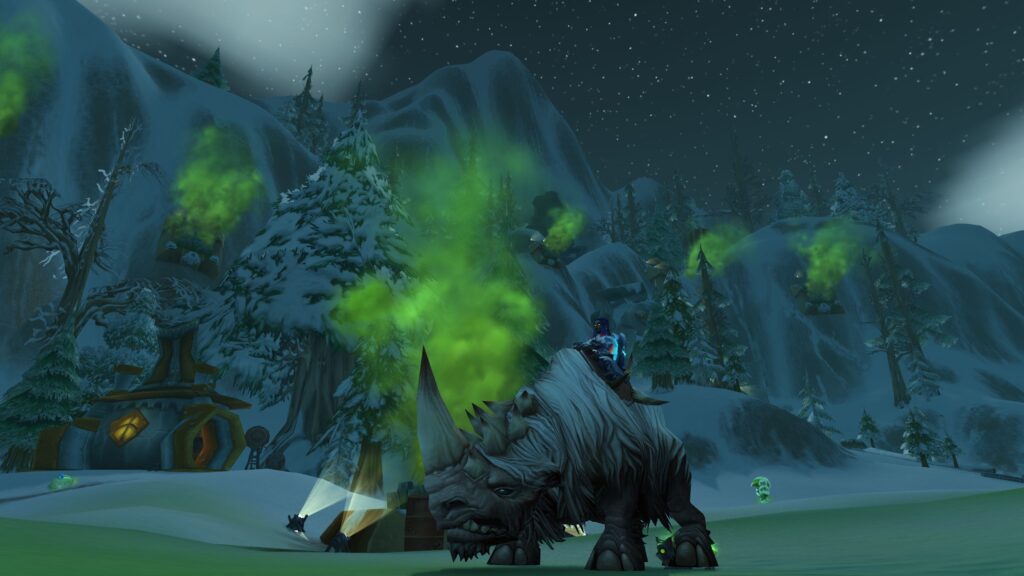
With *Wrath of the Lich King* (2008) came significant improvements to WoW’s graphics, especially regarding character models and environmental design. The introduction of the Northrend zone brought snowy landscapes, dynamic lighting, and detailed dungeons that reflected the expansion’s darker and more somber tone. The character models saw an update, particularly with the new Death Knight class, which had a more polished appearance compared to earlier models.
By the time *Mists of Pandaria* (2012) was released, WoW’s graphics had evolved even further. The environments in Pandaria were lush and vibrant, with expansive zones full of beautiful scenery, dynamic lighting, and high-quality textures. The Pandaren race, introduced in this expansion, featured stunningly detailed models, and their unique culture and architectural designs offered something fresh and different. The expansion also saw improvements in particle effects, making spells and abilities more visually engaging.
Warlords of Draenor to Legion: Refining Visuals
The next major leap in WoW’s graphics came with *Warlords of Draenor* (2014), which brought even more polish to the game’s environments and character models. The new character models, a long-awaited update, were introduced, offering a much more detailed and expressive look to the races. This was especially noticeable in the more intricate faces and hair designs, which were more realistic than ever before. Draenor’s environments were highly detailed, with dramatic lighting and new particle effects that made spellcasting and combat feel more intense and immersive.
In *Legion* (2016), Blizzard introduced even more detailed environments and character models, particularly with the new Demon Hunter class. The landscapes in the Broken Isles were stunningly designed, with rich color palettes, realistic weather effects, and stunning vistas. The ability to customize your character’s appearance more deeply through transmog and the new Artifact system also added visual appeal. Blizzard’s focus on atmosphere, mood, and environmental storytelling became more apparent, with each zone feeling distinct and full of life.
Shadowlands: The Pinnacle of WoW’s Graphics
With the release of *Shadowlands* (2020), WoW reached the pinnacle of its graphical evolution. Shadowlands featured some of the most stunning environments ever seen in the game, from the dark, gothic landscapes of the Shadowlands zones to the vibrant and eerie landscapes of the Covenants. The visual enhancements included more detailed textures, improved lighting, and a complete overhaul of character models. The graphical improvements were so significant that they felt like a new game in terms of visual fidelity.

The cinematic sequences in Shadowlands are another highlight. These cutscenes have become a key part of WoW’s narrative storytelling, allowing Blizzard to push the boundaries of what’s possible in the game’s graphics. The facial animations and character models during cutscenes are particularly noteworthy, offering a level of emotion and expression previously unseen in the game. The game’s lighting and particle effects are now among the best in the industry, making the combat and exploration feel more dynamic and engaging than ever before.
Graphics Comparison: Then vs. Now
To better illustrate how far WoW’s graphics have come, let’s take a look at a comparison between key elements in the game over the years. Below is a table comparing the graphics of WoW during the Vanilla era, during *The Burning Crusade* expansion, and in the most recent expansion, *Shadowlands*.
| Aspect | Vanilla (2004) | The Burning Crusade (2007) | Shadowlands (2020) |
|---|---|---|---|
| Character Models | Blocky, low-detail | Slightly improved, more details | Highly detailed, expressive faces |
| Environmental Detail | Basic textures, simple lighting | Improved textures, more detailed zones | Stunning textures, dynamic lighting |
| Animation Quality | Basic, stiff movements | Smoother animations, more fluid movement | Highly fluid animations, detailed spell effects |
| Particle Effects | Basic spell effects | More advanced, colorful effects | Dynamic, highly detailed effects |
Conclusion
The graphical evolution of World of Warcraft has been a fascinating journey. From its humble beginnings with blocky models and basic environments to the detailed, immersive worlds of *Shadowlands*, WoW’s graphics have consistently improved while maintaining the game’s signature art style. As technology advances, it will be exciting to see how Blizzard continues to enhance the visual experience of WoW, pushing the boundaries of what’s possible in the MMORPG genre. Whether you’re a long-time player or a newcomer, the beauty of Azeroth is now more captivating than ever, inviting players to explore, battle, and experience the world like never before.
Home