
In WoW’s early days, mastering holy and discipline priests was vital for your success. Holy priests excelled in single-target and group heals, while discipline focused on shields. Restoration druids introduced healing over time. As expansions evolved, so did healing dynamics. Icecrown Citadel saw balance druids rise, and AoE heals became pivotal in Wrath of the Lich King. The introduction of class specializations allowed for strategic flexibility, each with unique mechanics. Recent updates have emphasized strategic spell selection and efficient resource management. Master your class’s unique style and work closely with your group to tackle Azeroth’s challenges. Discovering the depth of these changes will give you the edge in your next encounter.
Key Takeaways
- WoW’s healing classes evolved from primary roles (holy and discipline priests for direct and shield healing) to specialization-based roles for flexibility.
- Expansion updates like Wrath of the Lich King and Cataclysm introduced AoE heals and enhanced raid mobility, reshaping healer strategies.
- The introduction of class specializations allowed for dynamic adaptation to raid challenges, emphasizing the importance of mastering each specialization’s unique mechanics.
- Major updates overhauled mana management and introduced intelligent heals, necessitating a proactive approach and mastery of a new toolkit for success.
- The current healing landscape in WoW requires efficient resource management and tailored strategies, with each class offering distinct healing styles for group effectiveness.
The Early Days of Healing
In WoW’s infancy, you’d find the healing landscape vastly different, with a handful of classes shouldering the burdens of restoration and recovery. Holy priests and discipline priests were at the forefront, offering a versatile range of healing spells that could sway the tide of any battle. Their ability to switch from potent single-target heals to group-wide salvation made them invaluable in a raid setting.
Restoration druids, on the other hand, brought a unique flavor to the healing roster. Their healing over time spells allowed for a more vital approach to keeping allies topped up, ensuring that the raid could withstand the prolonged assaults from enemy players or bosses.

As you navigated these early days, mastering your healing spec was essential. Whether it was timing your heals to perfection with a holy priest, managing your shields and absorbs as a discipline priest, or strategically placing your rejuvenation spells as a restoration druid, understanding the intricacies of your class made the difference between victory and defeat.
In this era, facing enemy players without a solid grasp of your healing toolkit was a recipe for disaster. Learning to anticipate damage and prioritizing your healing targets was key to outlasting your opponents in any skirmish or raid encounter.
Expansion Evolutions
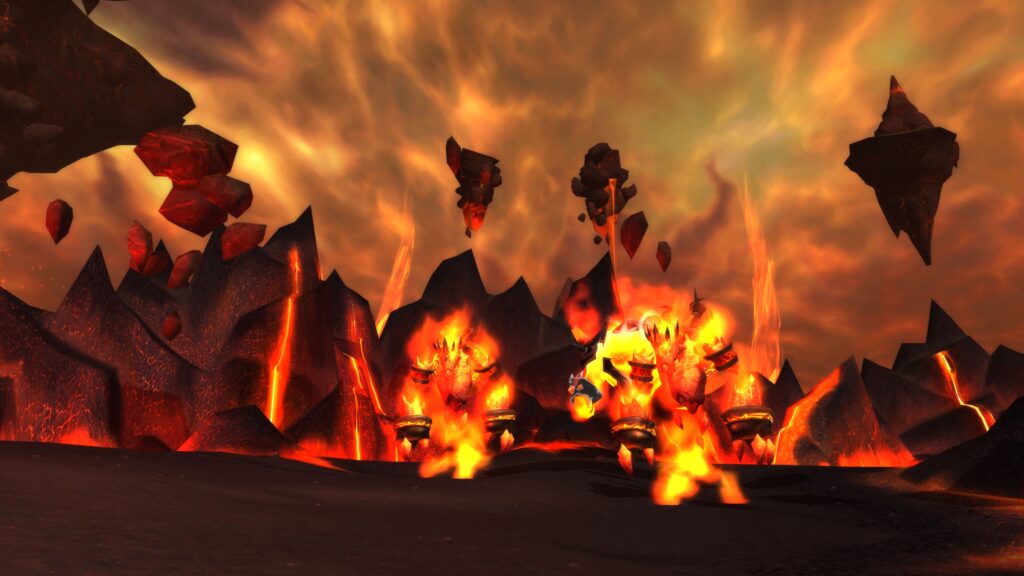
As WoW’s expansions rolled out, healing classes underwent significant changes, adapting to new challenges and gameplay mechanics. You’ve seen balance druids step into the limelight with their versatile healing abilities, especially when facing the harsh environments of Icecrown Citadel. The introduction of the raid portal system further streamlined group healing dynamics, allowing healers to focus more on their core responsibilities rather than maneuvering through complex raid layouts.
With the evolution of expansions, built-in raid frames became a game-changer for healers. These frames provided a much-needed overview of the raid’s health, making it easier to prioritize healing targets. Here’s a quick look at how these changes impacted healing roles across different expansions:
| Expansion | Key Feature | Impact on Healing |
|---|---|---|
| Wrath of the Lich King | Icecrown Citadel | Heightened importance of AoE heals |
| Cataclysm | Raid Portals | Improved raid mobility for healers |
| Mists of Pandaria | Built-in Raid Frames | Enhanced target prioritization |
These changes were instrumental in shaping the healing dynamics that you’re familiar with today. As you’ve adapted to each new challenge, you’ve not only become a more efficient healer but also a key player in your raid’s success.
Class Specializations Emerge
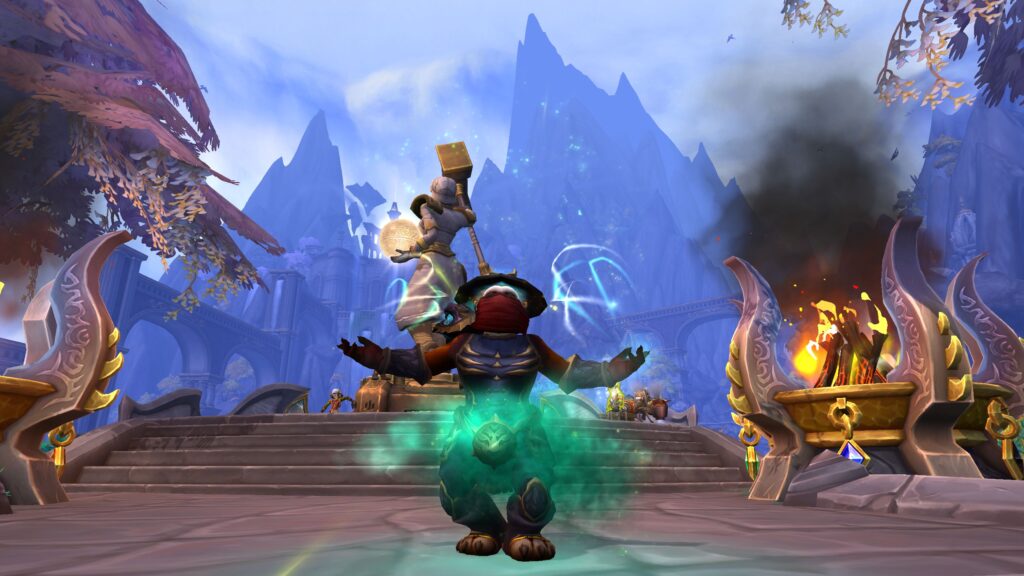
With the advent of class specializations, you’ve gained the ability to tailor your healing approach to suit specific raid challenges more effectively. This shift allowed for a more nuanced gameplay, enabling you to choose a path that not only complements your playstyle but also meets the needs of your raid group or dungeon team. As you navigate through the diverse landscape of healing in WoW, here are some key aspects to keep in mind:
- Flexibility in Role: You can switch between specializations outside of combat, allowing for dynamic adaptation to the group’s needs.
- Depth of Gameplay: Each specialization comes with its unique mechanics and healing styles, from direct healing to damage mitigation and everything in between.
- Tactical Advantage: Understanding the strengths and weaknesses of each specialization can give you the upper hand in both PvE and PvP scenarios.
- Community and Collaboration: Sharing strategies and tips with others in your class community can lead to more effective healing techniques and better overall performance.
Major Updates and Overhauls
Looking back on the evolution of healing classes, it’s clear that significant updates and revamps have greatly influenced your gameplay experience. Throughout World of Warcraft’s history, developers have reenvisioned how healing functions, impacting not only the abilities you use, but also how you strategize during raids and PvP battles. For example, the shift from the classic, more rigid class roles to the dynamic, specialized roles in later expansions allowed for greater flexibility and required a deeper understanding of your class’s toolkit.
One notable update involved the overhaul of mana management, prompting you to think more critically about your spell selection and timing to maintain your healing effectiveness over extended encounters. This added a layer of strategic planning to make sure you’re not caught powerless in crucial moments.
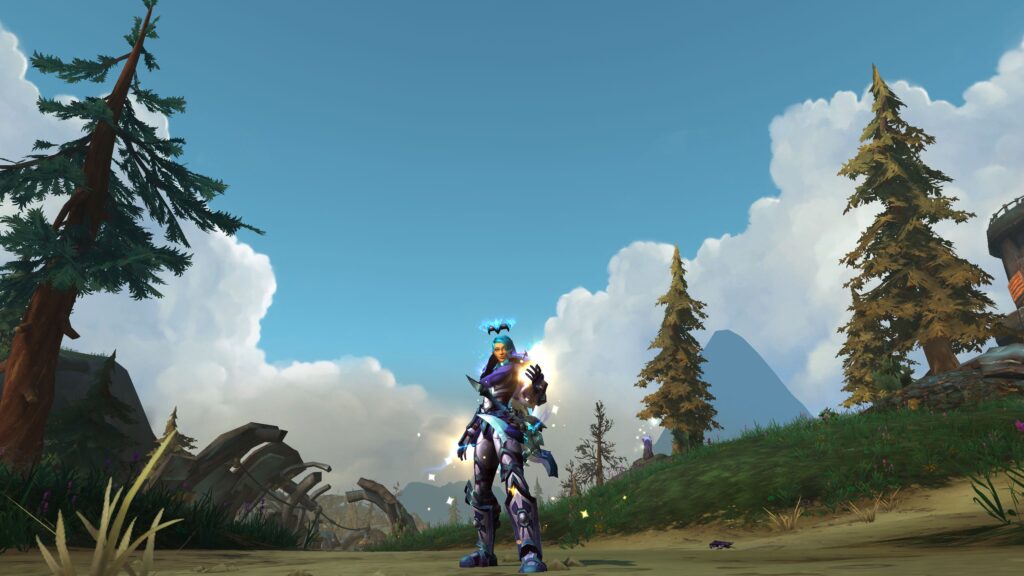
Moreover, the introduction of new healing mechanics, such as intelligent heals and area-of-effect healing spells, necessitated you to adapt your positioning and target selection, highlighting a more proactive approach to healing rather than reactive. Grasping these changes and mastering the intricacies of your updated toolkit was crucial for keeping your team alive through challenging dungeons and epic boss fights, transforming healing from a mere support role into a pivotal battlefield strategy.
The Current State of Healing
Today’s healing landscape in World of Warcraft offers you a fusion of complexity and versatility, demanding keen adaptability and strategic foresight. As a healer, you’re not just a support character; you’re a linchpin in every raid and dungeon, tasked with keeping your team alive through thick and thin. Understanding the current state of healing is vital for your success, and there are a few key points to keep in mind:
- Diverse Healing Styles: Each class brings its unique approach to healing, from the direct healing bursts of a Paladin to the over-time mends of a Druid.
- Resource Management: Efficient use of mana and cooldowns is more essential than ever. Balancing your resources can mean the difference between victory and defeat.
- Adaptation to Encounter: No two fights are the same. Tailoring your strategy and spell selection to each encounter is essential.
- Group Synergy: Working closely with your group, understanding their needs, and anticipating damage patterns will enhance your effectiveness.
Incorporate these strategies into your gameplay to not just survive but thrive in the ever-evolving world of Azeroth. As the game continues to grow, so does the complexity of healing, making it an endlessly rewarding role for those willing to master it.
Frequently Asked Questions
How Have Player Communities and Forums Influenced the Development of Healing Classes in Wow?
Player communities and forums have been the lifeblood, shaping WoW’s healing classes. Your feedback and debates have pushed developers to tweak and evolve, ensuring that each class not only survives but thrives in Azeroth’s ever-changing landscape.
What Are Some Notable Healing Strategies That Have Fallen Out of Favor or Been Phased Out Through the Years?
You’ve seen strategies like spamming a single powerful heal fall out of favor, as WoW’s evolved. Now, it’s more about managing resources and cooldowns, showing how tactics have shifted to adapt to game changes.
How Has the Introduction of New Races and Their Racial Abilities Impacted the Choice and Performance of Healing Classes?
You might think new races wouldn’t shake things up, but they’ve notably impacted your healing class choices and performance in WoW, thanks to unique racial abilities that complement certain healing styles and strategies.
In What Ways Have Major In-Game Events and Lore Developments Directly Affected the Mechanics and Abilities of Healing Classes?
Major in-game events and lore developments have directly shaped your healing abilities, influencing mechanics to reflect the evolving narrative. You’ve seen changes in skills and class roles to align with the unfolding storylines.
How Has the Balancing of Pve and Pvp Content Shaped the Evolution of Healing Abilities and Class Mechanics?
You’ve noticed how PvP and PvE balance shifts have sculpted WoW’s healing skills and mechanics. Changes aim to keep gameplay fair and engaging, affecting how you strategize and adapt in both types of content.