
Effective communication is essential for successful WoW raids. You’ll need to master various strategies, from pre-raid planning to in-game coordination. Voice chat clarity, text-based messaging, and non-verbal cues all play important roles in orchestrating complex encounters. Assign specific communication roles, utilize raid markers, and overcome language barriers to guarantee smooth teamwork.
Develop clear callouts, practice active listening, and foster team bonding through regular sessions. By prioritizing communication, you’ll enhance your raid team’s performance, tackle challenging content, and achieve your goals more efficiently. The key to raid success lies in mastering these communication techniques and applying them strategically.
Key Takeaways
- Effective communication ensures clear strategy alignment and role understanding among raid members.
- Voice chat and text messaging facilitate real-time coordination during intense encounters.
- Non-verbal cues and visual markers enhance situational awareness and quick decision-making.
- Overcoming language barriers through universal markers and translation tools promotes inclusive raiding.
- Regular team communication improves group dynamics, fostering a collaborative and successful raiding environment.
Pre-Raid Communication Strategies
Before the raid begins, effective pre-raid communication is essential for success. You’ll need to organize preparation meetings to guarantee everyone’s on the same page. These meetings should focus on strategy outlines, detailing each encounter and the roles players will assume. Set clear goals for the raid, whether it’s defeating a specific boss or achieving a particular clear time.
Establish player expectations upfront, including attendance, performance standards, and loot distribution policies. Discuss class synergy to optimize your team composition and abilities. Hold feedback sessions to address concerns and improve strategies based on previous attempts.
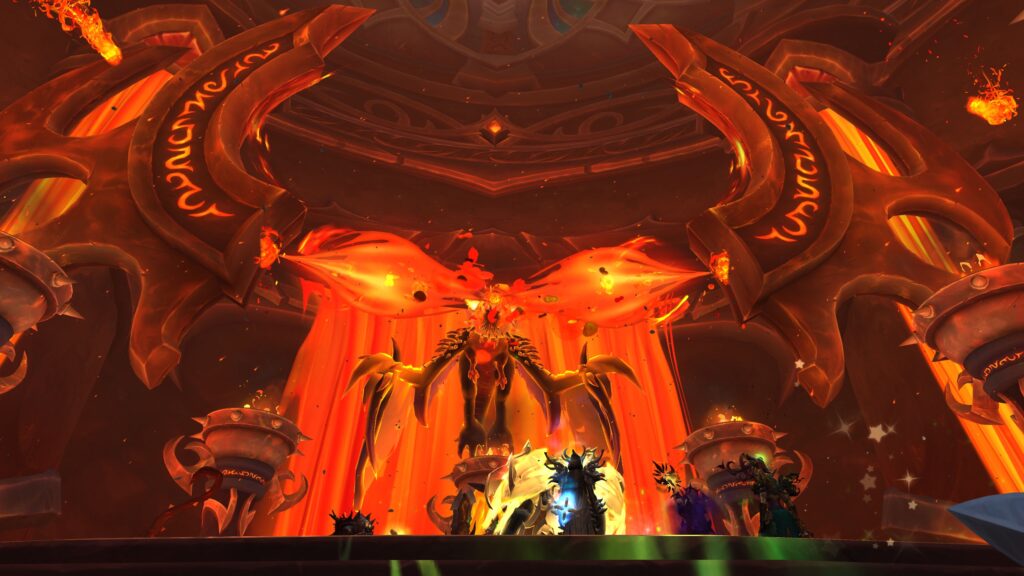
Develop coordination plans for complex mechanics, assigning specific tasks to individuals or groups. Implement motivation techniques to keep morale high, such as highlighting past successes or setting milestone rewards.
Use voice chat and messaging platforms to distribute information efficiently. Create and share detailed strategy guides, including positioning diagrams and ability timelines. Encourage questions and clarifications to prevent misunderstandings during the raid.
Voice Chat Essentials
During raids, voice chat becomes the lifeline of your team’s communication. It’s vital to prioritize voice clarity to guarantee every command and callout is understood. Invest in a quality microphone and headset to eliminate background noise and enhance your audio output. Test your equipment before raids to avoid technical issues mid-battle.
Mastering tone modulation is important for effective raid communication. Keep your voice calm and steady, even in high-pressure situations. Raise your volume slightly for important announcements, but avoid shouting, which can cause confusion and panic. Use a confident tone when giving instructions to inspire trust in your teammates.
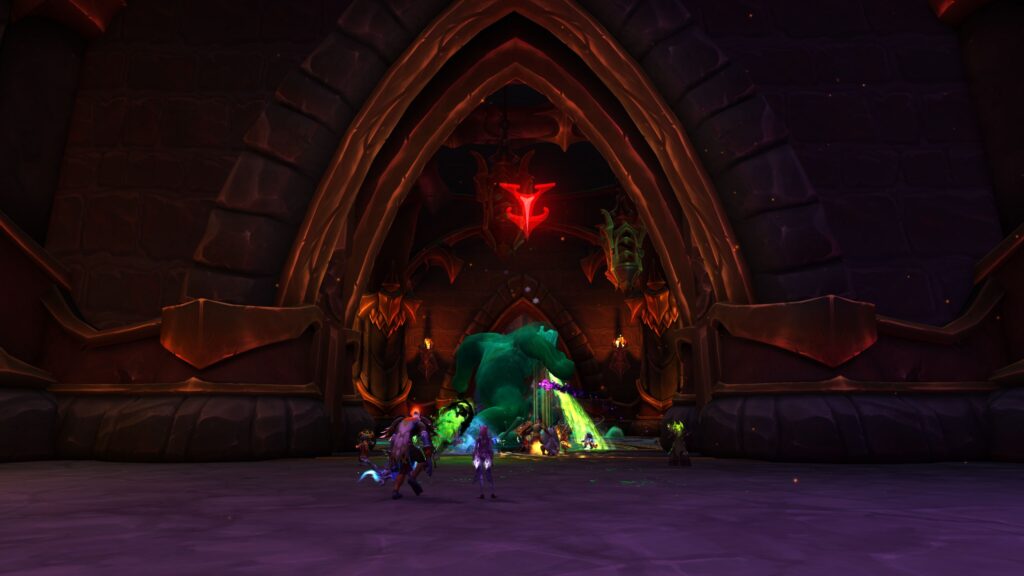
Develop clear and concise callouts for specific mechanics or enemy abilities. Use agreed-upon terminology to minimize misunderstandings. When speaking, be direct and to the point. Avoid unnecessary chatter during intense fight phases, reserving casual conversation for downtime.
Practice active listening and respond promptly to raid leaders or fellow players. If you’re unsure about an instruction, ask for clarification immediately. Remember, effective voice chat isn’t just about speaking; it’s about creating a seamless flow of information that enhances your raid team’s performance and coordination.
Text-Based Messaging During Raids
Text-based messaging offers a valuable alternative to voice chat during WoW raids. You’ll find it useful for quickly sharing links, coordinates, or complex instructions without interrupting voice communications. However, you’ll need to overcome challenges like slow typing speeds and message visibility issues by using macros, addons, and effective chat window management.
Pros of Text Chat
For years, text chat has remained a staple communication method in World of Warcraft raids. Its enduring popularity stems from several key text chat advantages that enhance raid coordination. First, it’s accessible to all players, regardless of their hardware or internet connection quality. You don’t need a microphone or stable voice connection to participate effectively.
Text chat also provides a permanent record of instructions and strategies. You can scroll back to review important information mid-fight, which is especially useful for complex encounters. It allows raid leaders to communicate clearly without the risk of misheard instructions or audio interruptions.
Another benefit is the ability to multitask. You can type messages while performing other actions, making it easier to coordinate on-the-fly adjustments without disrupting gameplay. Text chat also accommodates players who prefer not to use voice communication due to personal preferences or language barriers.
Lastly, text chat reduces cognitive load during intense encounters. You can quickly glance at written instructions without shifting your focus away from the action, maintaining better situational awareness throughout the raid.
Chat Challenges and Solutions
Maneuvering text-based communication during raids isn’t without its challenges. You’ll face issues like information overload, delayed responses, and missed raid callouts. To overcome these, establish clear chat etiquette and use efficient communication strategies.
Implement these solutions to enhance your text-based raid communication:
| Challenge | Solution | Benefit |
|---|---|---|
| Information overload | Use designated chat channels | Organized, focused communication |
| Delayed responses | Assign chat moderators | Quicker decision-making |
| Missed callouts | Utilize macros and abbreviations | Faster, more consistent alerts |
Prioritize essential information and keep messages concise. Develop a system of shorthand commands that your raid team understands. For example, use “inc” for incoming threats or “oom” for out of mana. Encourage your team to actively monitor the chat during downtime and respond promptly to important messages.
Consider implementing a hybrid approach, combining text chat with voice communication for critical moments. This strategy allows you to leverage the strengths of both methods, ensuring clear communication during intense raid encounters while maintaining the benefits of text-based messaging for less time-sensitive information.
Non-Verbal Cues and Signals
Three key non-verbal cues play an essential role in World of Warcraft raid communication. First, visual markers on the game’s interface serve as critical signals. You’ll need to quickly interpret these markers, which indicate player positions, incoming threats, and important cooldowns. Mastering this visual language is fundamental for coordinating complex maneuvers and responding to raid-wide dangers.
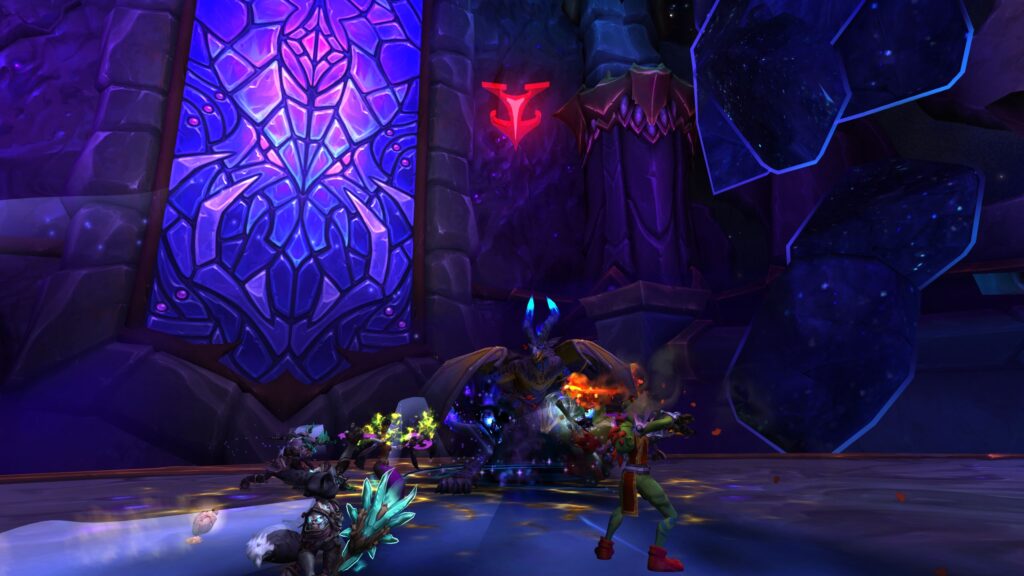
Second, player movements and positioning act as a form of body language within the game. You must learn to read these subtle cues, understanding when a teammate is preparing to use a specific ability or when they’re in danger. This gesture interpretation becomes second nature with experience, allowing for smoother raid execution.
Lastly, sound cues provide crucial information without cluttering chat channels. You’ll need to attune your ears to recognize ability sounds, environmental warnings, and boss mechanics. These audio signals often precede visual indicators, giving you precious extra seconds to react.
Role-Specific Communication Techniques
Different roles in World of Warcraft raids require unique communication techniques to maximize their effectiveness. As a raid leader, you’ll need to master role-specific communication to guarantee your team’s success. Tanks must clearly communicate threat levels and positioning, while healers should provide constant updates on mana levels and cooldown statuses. DPS players should focus on reporting burst damage potential and crowd control abilities.
To enhance role-specific communication:
- Implement clear role assignments and targeted calls
- Establish feedback loops for continuous improvement
- Provide strategic updates tailored to each role
- Use adaptive tactics and crisis management techniques
Develop your emotional intelligence to better motivate and lead your team. Recognize when to use encouragement versus constructive criticism. Emphasize message clarity to prevent misunderstandings during intense encounters. Foster synergy building by encouraging cross-role communication, allowing players to anticipate each other’s needs. Regularly practice and refine these techniques to create a cohesive raiding unit capable of overcoming even the most challenging content. By mastering role-specific communication, you’ll elevate your raid team’s performance and increase your chances of success in World of Warcraft’s most demanding encounters.
Overcoming Language Barriers
To overcome language barriers in WoW raids, you’ll find language-neutral raid markers invaluable. These visual cues transcend linguistic differences, allowing all raid members to understand positioning and tactics regardless of their native tongue. Additionally, you can leverage in-game translation tools to communicate essential information, ensuring that non-native speakers can fully participate and contribute to the raid’s success.
Language-Neutral Raid Markers
Raid markers serve as a universal language in World of Warcraft, transcending linguistic barriers among international players. These visual communication strategies employ easily recognizable symbols that convey essential information without relying on spoken or written language. By using raid marker symbols, you’ll enhance your team’s coordination and effectiveness, regardless of the players’ native tongues.
To maximize the benefits of language-neutral raid markers:
- Establish a clear system: Define what each symbol represents before the raid begins.
- Use consistent placements: Always put specific markers in the same locations for recurring mechanics.
- Combine markers with simple commands: Pair symbols with one-word instructions like “go” or “stop.”
- Train your team: Practice using markers in less challenging content to build familiarity.
Translation Tools Usage
Despite the effectiveness of raid markers, language barriers can still hinder communication in World of Warcraft raids. To overcome this challenge, you’ll need to employ translation tools strategically. Start by selecting reliable software with high translation accuracy for in-game chat. Consider tool selection carefully, weighing factors like integration methods and interface usability.
Implement these tools efficiently by establishing clear chat etiquette for your multilingual raid group. Encourage players to use short, clear phrases that are easier to translate accurately. Regularly gather team feedback on the effectiveness of your chosen translation methods and adjust as needed to improve communication efficiency.
Explore WoW-specific multilingual resources, such as addon translations and localized game guides. These can help bridge gaps in understanding game mechanics and strategies across languages. When selecting software, prioritize options that offer real-time translation within the game interface, minimizing disruptions to gameplay.
Remember that user preferences vary, so offer flexibility in how raiders interact with translation tools. Some may prefer automatic translations, while others might opt for manual translation of key phrases. By adapting to your team’s needs, you’ll create a more inclusive and effective raiding environment.
Improving Team Dynamics Through Communication
Effective communication serves as the cornerstone for improving team dynamics in World of Warcraft raids. By fostering team bonding and implementing feedback loops, you’ll create a more cohesive unit capable of tackling complex challenges. Prioritize conflict resolution and trust building to maintain a positive atmosphere within your raid group. Employ active listening techniques to ascertain every team member feels heard and valued.
To boost morale and enhance role clarity, consider implementing these engagement techniques:
- Regular practice sessions focused on specific raid mechanics
- Strategic brainstorming meetings to develop new tactics
- Post-raid debriefs to analyze performance and identify areas for improvement
- Team-building activities outside of raid hours to strengthen interpersonal relationships
Frequently Asked Questions
How Can Raid Leaders Effectively Manage Conflicting Personalities During Communication?
To manage conflicting personalities effectively, you’ll need to sharpen your conflict resolution skills and emotional intelligence. Start by evaluating team dynamics and individual communication styles. Use leadership techniques that foster understanding and cooperation. Adapt your approach based on personality assessments, addressing issues promptly and fairly. Encourage open dialogue, but set clear boundaries for respectful interaction. Be decisive in your decisions, but remain open to feedback. Remember, your goal is to maintain team cohesion while maneuvering diverse personalities.
What Communication Strategies Help Integrate New Players Into Established Raid Teams?
Hold your horses, pardner! To integrate new players into established raid teams, you’ll want to implement mentorship programs and clear role assignments. Organize social integration events and icebreaker activities to build camaraderie. Teach voice chat etiquette to guarantee smooth communication. Conduct training sessions to familiarize newcomers with team strategies. Encourage veteran players to support and guide newcomers. By fostering a welcoming environment and providing structured support, you’ll quickly turn fresh recruits into valuable team members.
How Does Communication Differ Between Casual and Hardcore Raiding Environments?
In casual raiding, you’ll find communication is more relaxed, focusing on fun and learning. You’ll encounter fewer strict guidelines and more patience for mistakes. Casual priorities often include socializing and enjoying the experience.
In hardcore environments, you’ll face higher expectations for clear, concise communication. You’ll need to quickly relay essential information, coordinate complex strategies, and provide constructive feedback. Hardcore expectations demand efficiency, rapid problem-solving, and a results-oriented approach. You’ll experience more intense, focused discussions aimed at optimizing performance and achieving progression goals.
What Are the Best Practices for Giving Constructive Feedback After a Failed Attempt?
Like a skilled conductor guiding an orchestra, your feedback after a failed attempt can harmonize the team’s efforts. Maintain a constructive feedback tone, focusing on specific, actionable suggestions. Be direct but empathetic. Highlight what went well before addressing areas for improvement. Provide clear, strategic solutions for each issue identified. Encourage open dialogue and invite input from team members. Remember, your goal is to motivate and uplift, not discourage. Always end on a positive note, reinforcing the team’s potential for success.
How Can Guilds Maintain Effective Communication Outside of Raid Times?
To maintain effective communication outside raid times, you’ll want to utilize multiple channels. Use guild chat for quick updates and casual conversation. Set up voice channels for strategy discussions and off-raid events. Create online forums for in-depth feedback loops and resource sharing. Implement a system for schedule coordination to keep everyone informed. Encourage active participation in these platforms to foster a strong community. Regular engagement in these communication methods will guarantee your guild stays connected and prepared for raids.
Conclusion
You’ve learned the essential communication strategies for World of Warcraft raids. From pre-raid planning to role-specific techniques, you’re now armed with the tools to coordinate like a seasoned general. Remember, clear voice chat, smart text messaging, and non-verbal cues are your weapons. Overcome language barriers and boost team dynamics. With these skills, you’ll lead your raid team to victory so epic, it’ll make Deathwing’s defeat look like a walk in the park.